
Personal brand building is not about making yourself famous. It is about making yourself findable, credible, and worth listening to in the specific area where you have something real to say. The people who do it well are not the ones with the largest followings. They are the ones whose name means something specific to the people who matter most to their work.
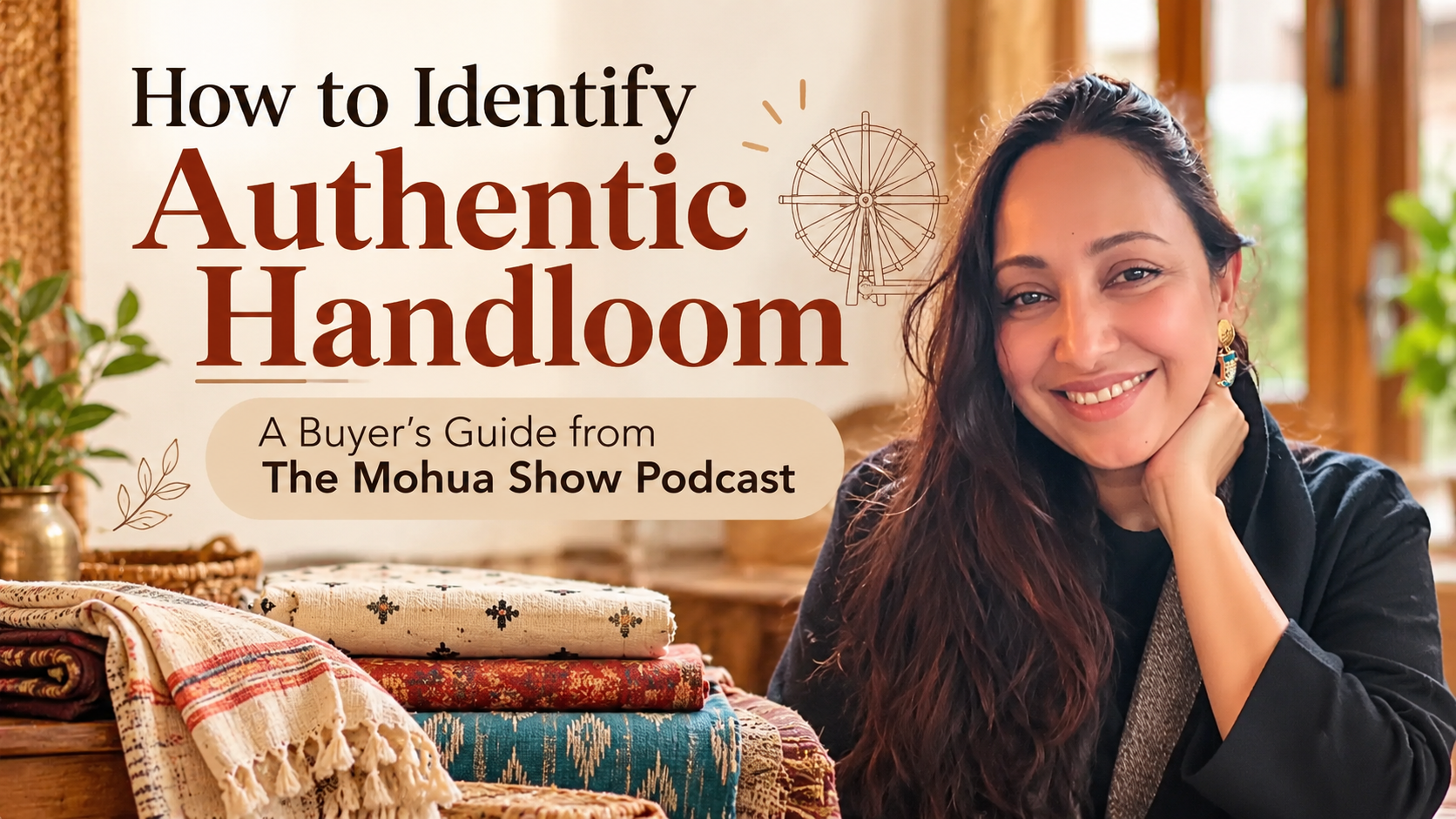
Mohua Chinappa is a good example. If you work in Indian podcasting, storytelling, or the space where women’s voices meet culture and society, you know her name. Not because she has hundreds of millions of followers. Because she has spent six years showing up, consistently, with a show that does exactly what it says it will do. That is personal brand building. You can explore her body of work at themohuashow.com.
Clarity Comes Before Content
The most common personal brand building mistake is starting with content before having clarity about what the brand stands for. Before you write a single post, record a single episode, or publish a single article, you need to be able to answer three questions clearly.
Who are you speaking to? Not everyone. A specific person with specific needs, interests, and questions. What do you stand for? Not a list of values. One clear point of view that runs through everything you create. What do you want people to think about when they hear your name? Not a job title. A feeling, a reputation, a specific kind of expertise.
If you cannot answer these questions in plain language, more content is not the solution. Clarity is.
Consistency Is the Strategy
Personal brand building is a long game. The people with the strongest personal brands are almost always the ones who have been showing up in the same way, in the same space, for a long time. The Mohua Show has published a new episode every week since 2020. That consistency, across six years, is itself a brand statement. It says: this person is serious, reliable, and worth following.
Consistency does not mean posting every day on every platform. It means your audience can predict what they will get from you and trust that it will arrive. A weekly podcast, a fortnightly newsletter, a daily voice note on Instagram. Pick a cadence you can maintain and protect it as a non-negotiable.
Choose a Medium That Plays to Your Strengths
Not every personal brand builder is a writer. Not every one is a natural on camera. The medium that builds your brand most effectively is the one where your actual strengths show up most clearly.
Mohua Chinappa’s strength is in conversation. The warmth she brings to a difficult topic, the way she creates space for a guest to say something they did not expect to say out loud. Audio is the perfect medium for that strength. A different person with a gift for visual storytelling might find the same result on YouTube or Instagram. The medium is not the brand. But the right medium makes the brand visible.
Thought Leadership Through Point of View
Thought leadership is another term that gets used too loosely. Sharing industry articles is not thought leadership. Summarising what others have said is not thought leadership. Thought leadership is having a point of view that is specific enough to be disagreeable, and making a case for it with enough substance that people either agree or want to argue.
The Mohua Show takes a clear point of view: that the voices most worth hearing are often the ones least likely to get mainstream airtime. That point of view runs through every guest selection, every episode topic, and every editorial decision the show makes. It is a point of view you could disagree with. That is what makes it a point of view worth having.
Building Authority Through Depth, Not Volume
More content does not mean more authority. A hundred shallow posts about leadership builds less authority than ten deeply considered ones. A personal brand built on genuine depth, real expertise, honest opinion, and specific knowledge, is harder to build than one built on volume. It is also harder to copy and harder to displace.
Ask yourself: is this piece of content the best thing I have ever said on this topic? If not, what would make it better? The standard for authority-building content is not whether it is good enough to publish. It is whether it is good enough to be the thing someone thinks of when your name comes up in conversation.
Collaboration as a Personal Brand Accelerator
One of the fastest ways to build a personal brand is to borrow credibility from people who already have it, in the right way. Guest appearances on podcasts whose audiences overlap with yours. Co-created content with peers in your space. Interviews with guests who bring their own audiences to the conversation.
Every guest on The Mohua Show brings their own network. When Hope Teresa David’s episode aired, her supporters found the show. When Reema Ahmad appeared, her professional network encountered Mohua’s work for the first time. Every collaboration is a credibility exchange and an audience introduction. Personal brand building done in isolation is always slower than personal brand building done in community.
Your Digital Presence as a Portfolio
Your website, your social profiles, your podcast or newsletter or YouTube channel. These are not marketing tools. They are a portfolio of everything you stand for. A person researching you before a speaking invitation, a sponsorship conversation, a collaboration, or a hiring decision will go to these places and form a judgment.
The judgment they form should be coherent. Same tone, same values, same visual identity, same quality of thinking across every platform. A person who sounds thoughtful and serious on a podcast but posts carelessly on social media creates a contradiction. Personal brand building is about making every touchpoint reinforce the same impression.
Patience Is a Personal Brand Skill
The personal brands that matter were not built in a quarter. The Mohua Show took years to cross a million downloads. The authority Mohua carries in Indian podcasting was earned through hundreds of episodes, thousands of hours of conversation, and a consistency that most people underestimate when they look at the result.
Set a two-year timeline for your personal brand building efforts and evaluate honestly at each milestone. Are you producing work you are proud of? Are the right people noticing? Is your reputation in your space moving in the direction you want? Those questions, asked honestly and regularly, will tell you more than your follower count ever will.
Frequently Asked Questions
How long does personal brand building take?
A meaningful personal brand, one where your name carries real weight in a specific community or industry, typically takes two to five years of consistent effort to build. There are no reliable shortcuts. The brands that appear to have grown overnight usually have years of less visible work behind them.
Do I need to be on every social media platform?
No. You need to be consistently present on the platforms where your target audience actually spends time. One platform done well is worth more than five platforms done poorly. Start with one or two, build your presence and your content discipline, and expand when you have the capacity to maintain quality across more channels.
Is a podcast a good personal brand building tool?
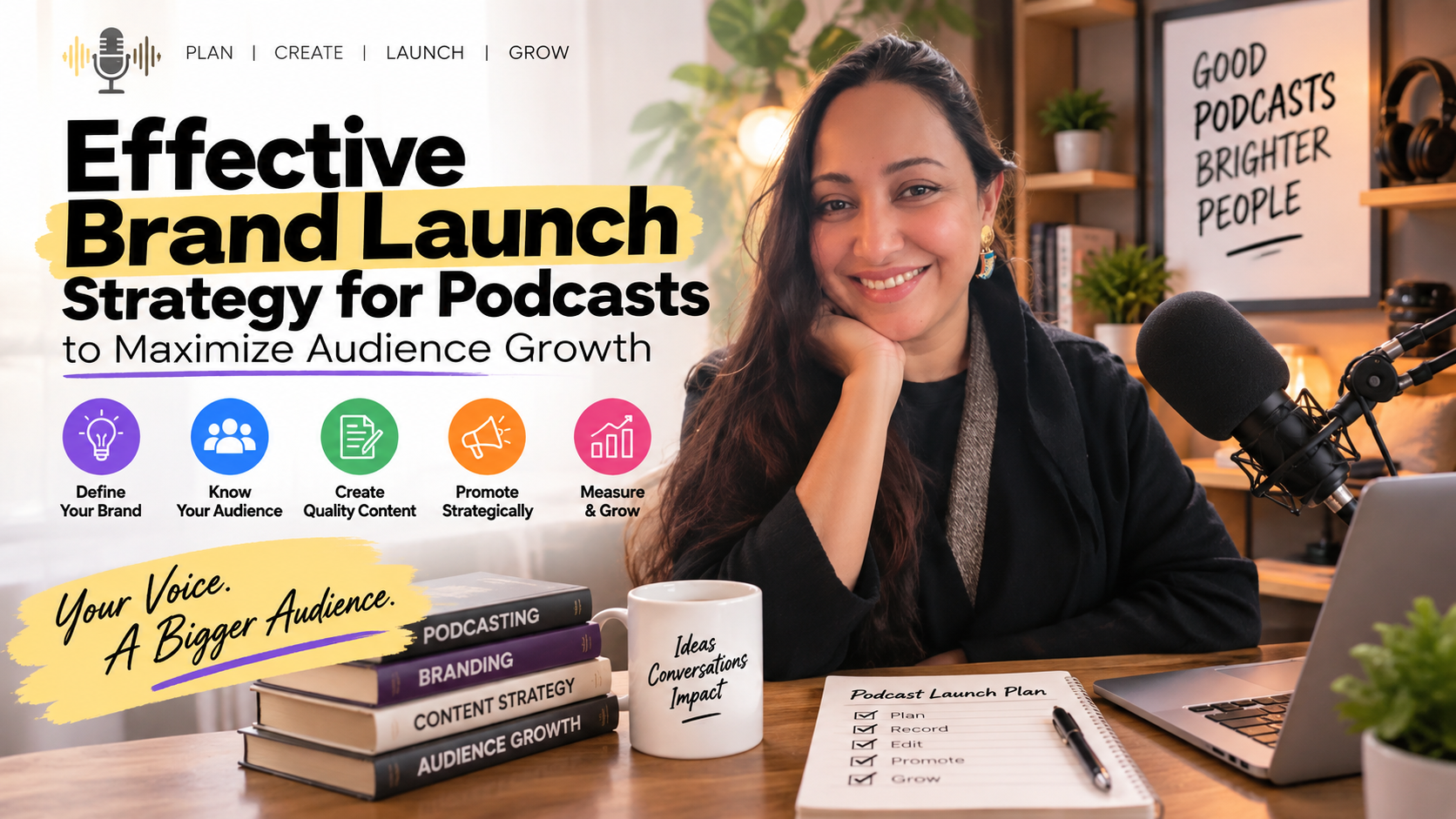
For the right person, a podcast is one of the most effective personal brand building tools available. It creates a regular, intimate connection with your audience, builds authority through the quality of your guests and conversations, and generates content that can be repurposed across every other channel. The Mohua Show is a clear example of what a podcast can do for a personal brand built on genuine expertise and consistent quality.